
Effective Techniques to Protect and Restore Your Floors
Hardwood floors are a beautiful addition to any home. However, when water finds its way onto these surfaces, it can cause significant damage. Understanding the best ways to remove water and prevent further issues is crucial. In this guide, we will explore various methods used for extracting water from hardwood floors. We’ll also discuss the benefits of taking timely action to protect your investment.
Causes of Water Damage on Hardwood Floors
Water can come into contact with hardwood floors in several ways. Common causes include leaks from appliances, spills, high humidity levels, or flooding events. Each source poses unique risks, but all require prompt attention. The type of wood and the finish on the floor also affect how much damage occurs. Identifying the cause quickly helps determine the right method for water extraction.
Signs That Your Hardwood Floor Needs Immediate Attention
Recognizing early signs of water damage can prevent costly repairs later. Look out for discoloration or dark spots on the surface. Warping or bending of planks indicates moisture trapped underneath. If the floor feels spongy underfoot, immediate intervention is necessary. Timely water extraction is crucial in preventing long-term damage.
Traditional Water Removal Techniques
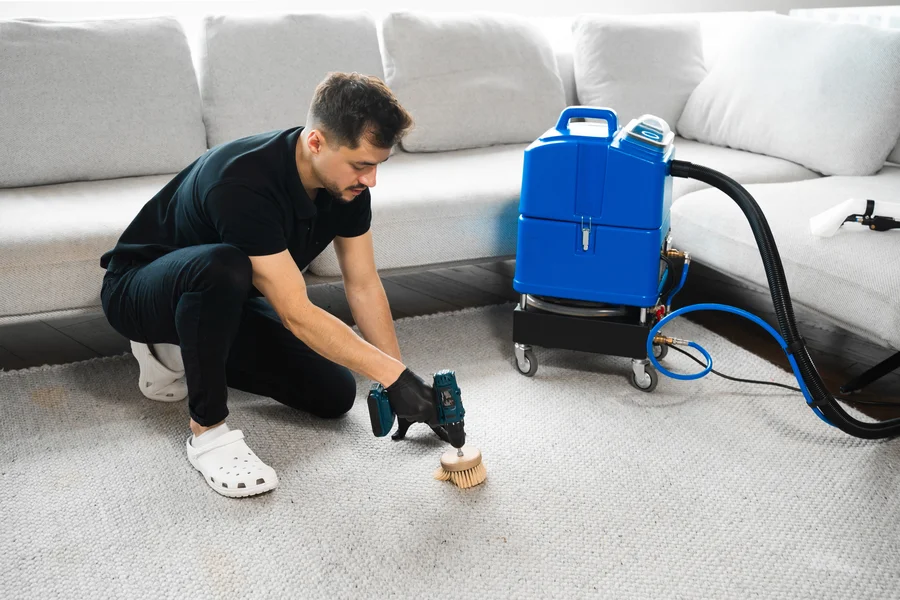
When tackling minor water exposure, traditional methods often suffice. Start by mopping up excess water using towels or a dry mop. Place fans around the area to increase air circulation and hasten drying. Dehumidifiers are effective in removing moisture from the air, which aids in drying damp floors more rapidly. These basic steps often make a big difference when applied promptly.
Advanced Technological Solutions
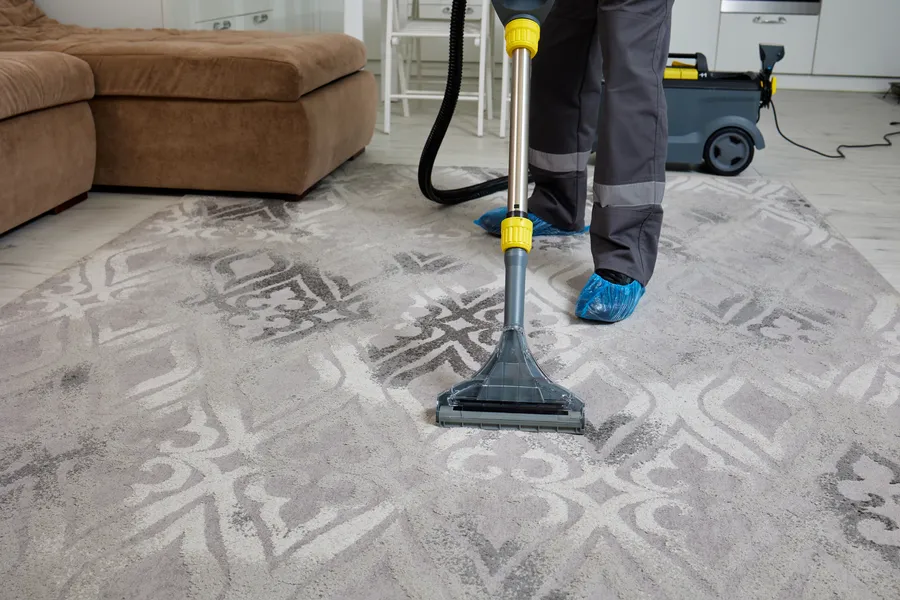
In cases where significant water has seeped beneath the surface, advanced solutions are necessary. Professionals often use specialized equipment such as industrial-grade vacuums designed for water extraction. These devices efficiently remove larger volumes of water trapped within flooring layers. Infrared cameras help identify hidden moisture pockets that might be missed during manual inspections.
The Role of Professional Services
Expert services offer comprehensive solutions beyond what household tools can achieve. Experienced technicians assess the extent of damage and recommend appropriate actions. They utilize state-of-the-art machinery for thorough drying processes, ensuring minimal disruption to your living space. Hiring professionals ensures reliable results and peace of mind.
Preventative Measures for Future Protection
Proactively protecting your hardwood floors reduces future risks significantly. Regular maintenance includes checking for leaks and addressing them promptly. Consider using area rugs in high-moisture areas like kitchens or entryways. Applying a good quality sealant adds an extra layer of protection against accidental spills. Following these tips safeguards your floors from potential water-related damages.
- Regularly inspect pipes and plumbing for leaks
- Use mats near sinks and bathtubs
- Install proper ventilation systems
- Quickly clean up any spills
Understanding Cost Implications
The cost of addressing water damage varies based on severity and required interventions. Simple drying methods may involve minimal expense, while severe cases needing professional remediation incur higher costs. Investing in quality materials initially can provide better resistance over time. Weighing costs against potential damage helps in making informed decisions regarding floor care.
Final Thoughts on Safeguarding Your Investment
Your hardwood floors add value and beauty to your home environment. For those residing in Glenarden, MD, maintaining their condition requires vigilance and knowledge about effective methods for dealing with water exposure. At BWDR Services, we specialize in providing solutions tailored to preserve your flooring assets. Call us at (443) 334-6977 today for expert advice and assistance tailored to your needs.