
Understanding Effective Drying Methods for Restoration Projects
When water damage strikes, quick action is crucial. Understanding the drying techniques used in restoration can help you make informed decisions. Restoring your property to its original condition involves more than just removing visible water. It requires specialized methods to ensure thorough drying and prevent future issues like mold growth. By knowing these techniques, you can better appreciate the complexity of water damage restoration and what it takes to successfully recover from such incidents.
The Importance of Proper Drying Techniques
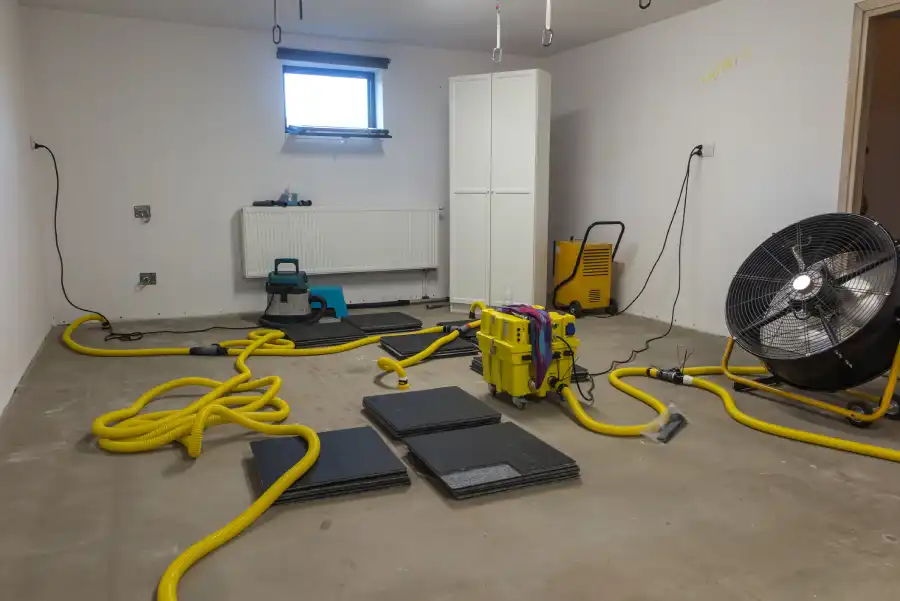
Proper drying techniques are vital for preventing long-term damage to your home or business. Without effective drying, moisture can linger, causing structural damage and health risks. This is why professional Water Damage Cleanup often involves several drying methods to ensure all moisture is eliminated. The primary goal is to return affected areas to pre-damage conditions quickly and efficiently. Using advanced equipment and expertise, professionals manage every aspect of this process.
Key Factors in Water Damage Cleanup
Effective water damage cleanup relies on understanding several key factors. First, identifying the type of water involved is essential-be it clean, gray, or black water-as this impacts the drying strategy. Second, the extent of the damage influences the choice of technique. Lastly, environmental conditions such as humidity levels play a crucial role in determining how best to proceed with drying efforts. These considerations ensure that the most appropriate and effective techniques are applied.
Common Drying Techniques Explained
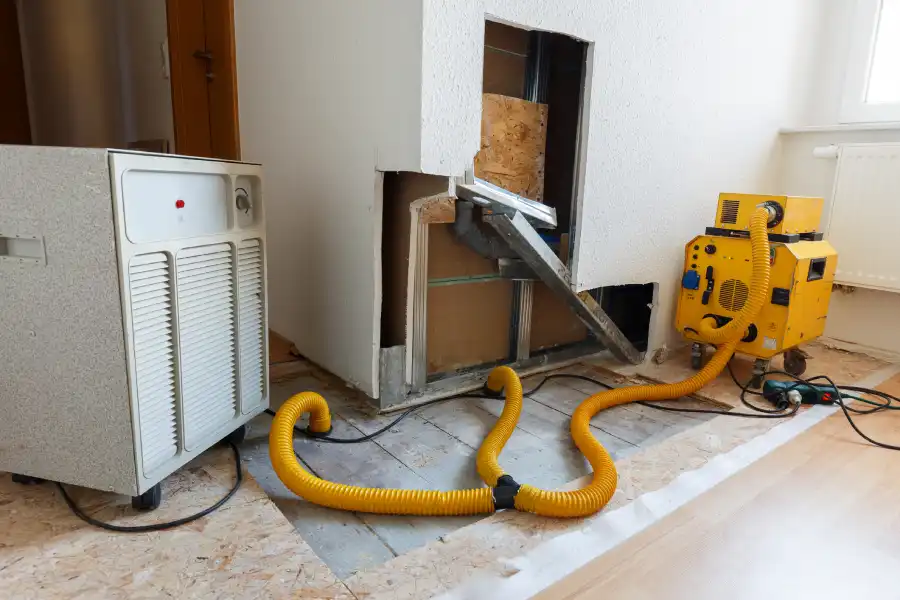
Professionals use various drying techniques to address water damage effectively. Air movers increase air circulation, speeding up evaporation. Dehumidifiers remove excess moisture from the air, helping maintain optimal humidity levels. Additionally, heat drying can be employed to raise temperatures and accelerate moisture removal. Selecting the right combination of techniques ensures efficient Water Damage Cleanup and reduces recovery time significantly.
Using Air Movers in Restoration
Air movers are a cornerstone in the drying process. They enhance airflow across surfaces, which speeds up evaporation. Depending on the scale of water intrusion, multiple air movers may be strategically positioned to maximize effectiveness. These devices are essential in reducing drying times and minimizing potential secondary damage. By continually circulating air, they help restore normal conditions faster.
The Role of Dehumidifiers
Dehumidifiers complement air movers by extracting moisture from the air. This step is critical after initial water removal since remaining humidity can still cause problems. High-powered dehumidifiers reduce indoor humidity to acceptable levels, preventing mold growth and protecting building materials. Their use is particularly important in closed spaces where natural ventilation is limited.
Heat Drying Techniques
In some cases, introducing heat can aid the drying process. Heating elements increase temperature, which encourages faster evaporation of trapped moisture within walls and floors. However, this method must be managed carefully to avoid overheating or damaging materials. Heat drying is often used in conjunction with other techniques for comprehensive results.
Choosing the Right Professional Help
Selecting experienced professionals ensures effective water damage restoration using proven techniques. At BWDR Services, our team uses state-of-the-art equipment and adheres to industry standards for efficient results. We understand that time is of the essence when dealing with water damage and work diligently to restore your space promptly. For services you can rely on, contact us at (443) 334-6977. Based in Glenarden, MD, we are ready to assist you with your restoration needs.